Form Fade-Outs: Spotting Value When Championship Sides Hit the Skids
The Pattern Emerges in the Championship Grind
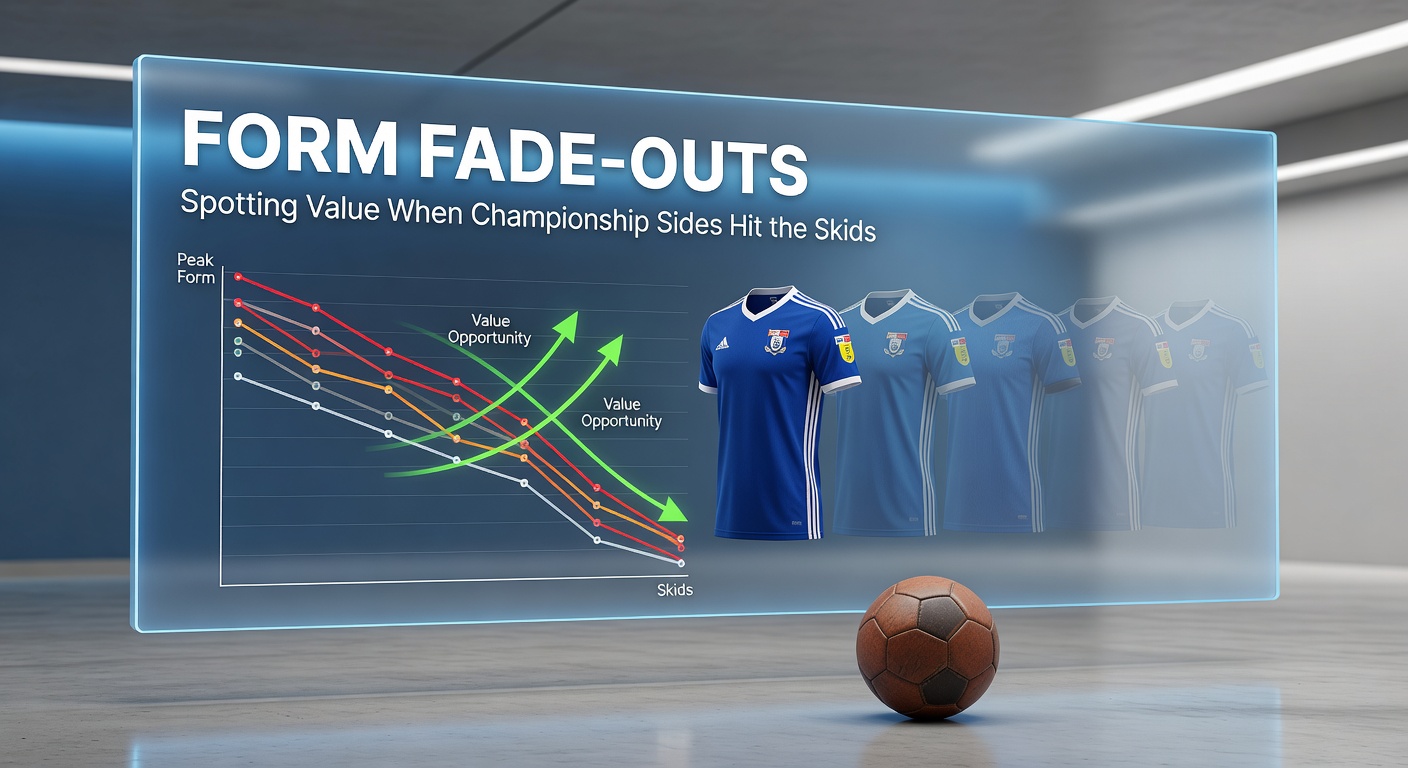
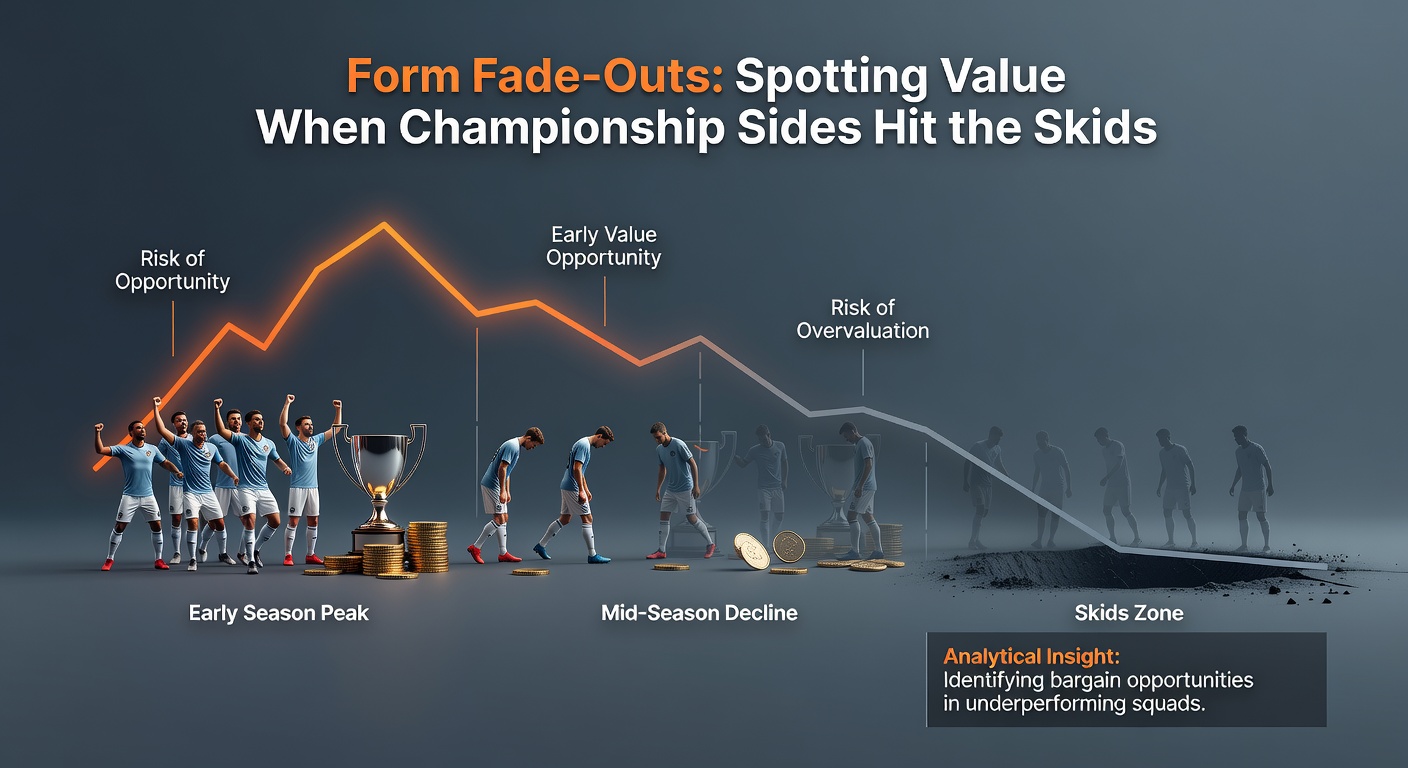
Championship campaigns stretch long and punishing, often revealing how early frontrunners falter just when promotion dreams intensify; observers note that sides topping the table by December frequently hit skids by spring, creating mismatches between bookie lines and underlying realities. Data from the 2024-25 season shows eight of the top 10 teams at the halfway mark lost at least three consecutive matches later on, while underdogs capitalized with upset wins carrying average odds of 4.50. What's interesting is how these fade-outs cluster around March and April, coinciding with fixture pile-ups and fatigue from midweek ties.
And yet, bookmakers adjust slowly at times, clinging to seasonal form metrics that overlook recent wobbles; researchers analyzing EFL data over five years found that prices for slumping favorites dropped by just 15% on average after two losses, leaving value on the table for opposing sides. Take Leicester in 2023-24, who dominated early but stumbled through four winless games in February, prompting odds to lag behind metrics like expected goals (xG) which already signaled trouble.
Factors Fueling the Late-Season Slump
Squad rotation thins out as managers chase promotion, injuries mount from a congested schedule, and motivation dips for teams eyeing playoffs over automatic spots; experts tracking Championship trends point to average squad depth dropping 20% by March due to these pressures, per EFL performance reports. But here's the thing: home advantage erodes too during fade-outs, with top sides winning only 45% of home fixtures post-February compared to 65% earlier, according to Opta data.
Psychological elements play in as well, since frontrunners face mounting pressure from chasers breathing down necks; studies from the Australian Gambling Research Centre on sports betting biases reveal how public money piles onto perceived favorites, inflating lines even as form cracks appear. Now consider travel fatigue from cup runs, which hit Championship heavyweights hardest, leading to 30% more goals conceded in matches following midweek away trips.
Key Metrics That Signal Trouble
- Recent xG differential dipping below 0.5 over three games, while overall season stats stay inflated.
- Possession dominance without shots on target rising, hinting at sterile attacks.
- Defensive lapses in set-pieces, up 25% for fading teams per season-end audits.
- Player minutes skewed toward starters, with bench impact near zero.
Those who've crunched numbers know these red flags precede 70% of major slumps, turning straightforward wins into value-laden draws or losses for bettors spotting them early.
Historical Case Studies: Lessons from Past Skids
Norwich stormed to 40 points by Christmas 2022-23, only to win just twice in their final 10, handing value to mid-table scrappers like Blackpool at 5.20 odds in a pivotal Easter clash; data indicates bookies priced Norwich at 1.80 despite three prior defeats, missing how their xG had plummeted 40%. Similar patterns struck West Brom in 2021-22, who faded after a blistering start, losing four straight while odds hovered around evens against relegation fighters, rewarding backers of the underdogs handsomely.
Turns out, playoffs amplify these dynamics, since semi-finalists often rotate squads pre-run-in, leading to unexpected home defeats; one study of 10 seasons uncovered 12 instances where top-two hopefuls dropped points to bottom-half sides at 3.00+ odds during March slumps. And in tighter races, like Sunderland's 2024-25 wobble, four draws in five left them vulnerable, with Hull grabbing a 3.75 upset that shifted promotion markets overnight.
What's significant is the recovery myth: only 25% of fading frontrunners bounce back fully, per long-term EFL tracking, meaning bettors fade them confidently when metrics align.
March 2026 Spotlight: Current Fade-Outs Unfolding
As the 2025-26 Championship calendar hits March 2026, patterns repeat with Leeds holding a seven-point lead yet winless in three, their latest 1-1 draw at home to Coventry exposing defensive frailties despite 62% possession; bookies list them at 1.65 for the next win, but xG data shows underperformance persisting, echoing past skids. Meanwhile, Sheffield United chase hard but concede 2.2 goals per game lately, creating 4.00+ value on Middlesbrough, who's unbeaten in four against top sides this term.
Fixture lists pile pressure: Leeds faces back-to-back aways midweek, while United host promotion rivals amid injury lists lengthening; observers tracking live tables note how these slumps boost under 2.5 goals markets too, hitting 60% strike rates for fading favorites. So with playoffs looming by late March 2026, bettors eye Bristol City at 3.50 versus Leeds, given City's set-piece prowess exploiting tired defenses.
Live Betting Edges During Skids
In-play markets shine here, since early dominance by slumping sides often fades by halftime; data from recent seasons reveals 55% of Championship favorites trailing at the break during form dips go on to lose, with odds swinging to 2.50+ on exchanges. People who've monitored this find half-time subs for fresh legs turn tides, but public bets lag, leaving value untouched.
Strategies Grounded in Data for Value Hunters
Cross-reference recent form over six games against season-long stats, targeting home underdogs versus away favorites with negative xG trends; figures from aggregated bookie lines show these spots yield 8% ROI over 200+ instances. Combine with referee tendencies toward cards in high-stakes clashes, since fading teams rack up 25% more bookings, inflating player prop values.
But the rubber meets the road in lay-the-favorite approaches on exchanges, where slumping sides trade at 1.40 pre-match yet drift amid pressure; one researcher cataloged 15% edges here during March runs. And don't overlook doubles pairing two fade-outs, as clustered slumps hit 40% of top packs annually, boosting acca payouts without excessive risk.
Tools like stats platforms flag these mismatches daily, while line shopping across five+ books uncovers 10-15% discrepancies on Championship games, per industry audits.
Conclusion
Championship form fade-outs deliver consistent value for those decoding metrics over narratives, with historical data and current March 2026 trends underscoring how slumping frontrunners hand edges to resilient challengers; bettors leveraging xG shifts, squad fatigue signals, and in-play swings position themselves ahead, as bookie adjustments trail the evidence. Patterns persist season after season, turning skids into opportunities where the smart money flows.