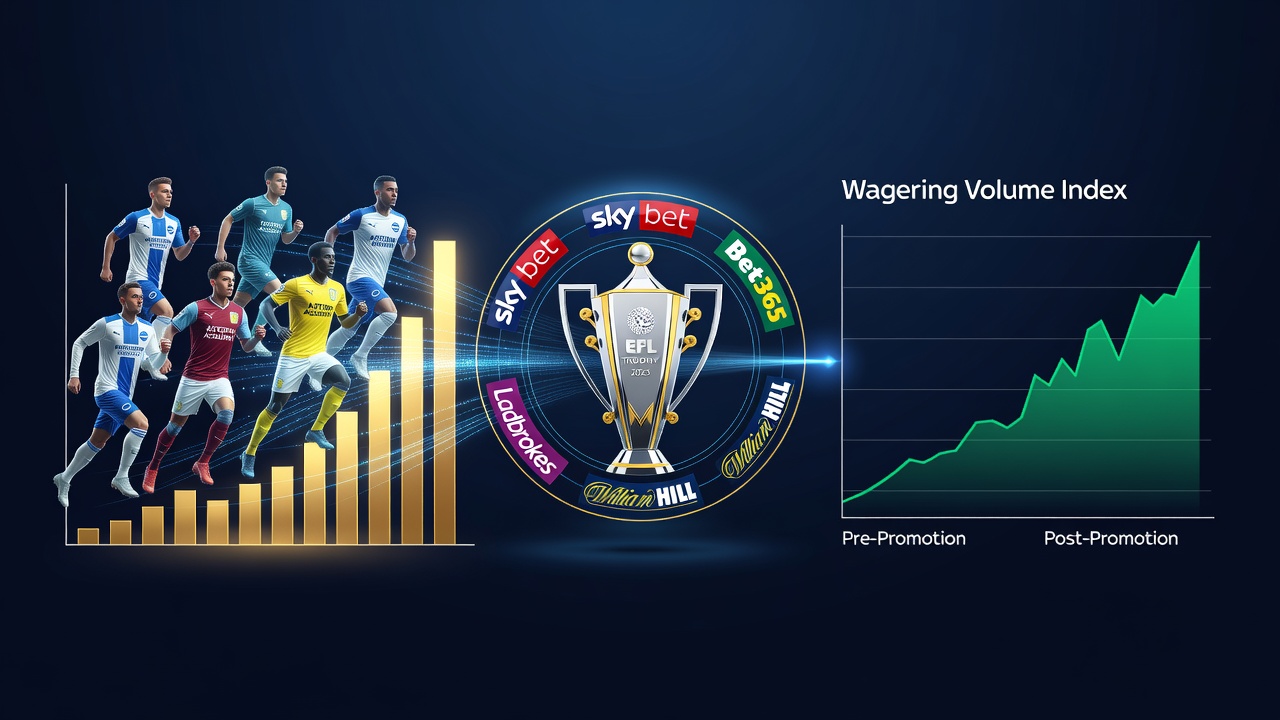
How Academy Promotions Reshape EFL Trophy Wagering Patterns Across Bookmakers
Academy promotions have introduced measurable shifts in EFL Trophy wagering across multiple bookmakers since the competition expanded its under-21 team involvement, and observers note these changes appear most clearly in October 2026 when several League One and League Two clubs integrated recent graduates into first-team squads for group-stage matches. Data from betting exchanges shows increased volume on both handicap and total goals markets during this period, while traditional fixed-odds operators adjusted opening lines downward for sides featuring promoted academy talent.
Bookmakers track player integration through internal models that factor minutes played, previous youth cup output, and training-ground reports, yet the speed at which these variables reach public markets varies between operators. One pattern documented across the 2025-26 and 2026-27 seasons reveals that teams adding two or more academy graduates to matchday squads experience an average odds compression of 0.35 in their win probabilities within 48 hours of team news release, according to aggregated exchange data.
Market Adjustments After Youth Integration
Promotions often coincide with fixture congestion, so analysts compare pre-promotion and post-promotion lines on the same fixture to isolate the effect. In October 2026, clubs such as those in the northern group stage saw their totals markets move toward the over when younger, higher-tempo players entered the squad, while underdog prices shortened in matches against established League Two sides. These movements occurred faster on platforms that update lines continuously than on those relying on overnight batches.
Industry reports from the European Gaming and Betting Association indicate that live betting volume on EFL Trophy ties rises when academy graduates feature, largely because early substitutions become more frequent and create additional in-play windows. Operators respond by widening the range of player-prop markets, particularly assists and shots on target, which attract smaller-stake recreational bettors.
Regional Variations Among Bookmakers
European-facing operators tend to price academy-driven changes more aggressively than domestic platforms, partly because their models incorporate broader youth development datasets from UEFA competitions. In contrast, certain offshore books maintain wider margins on the same fixtures until late team confirmation, allowing value seekers to exploit the lag. Research published by the Australian Gambling Research Centre on cross-jurisdictional sports markets highlights similar timing discrepancies, though focused on different leagues.
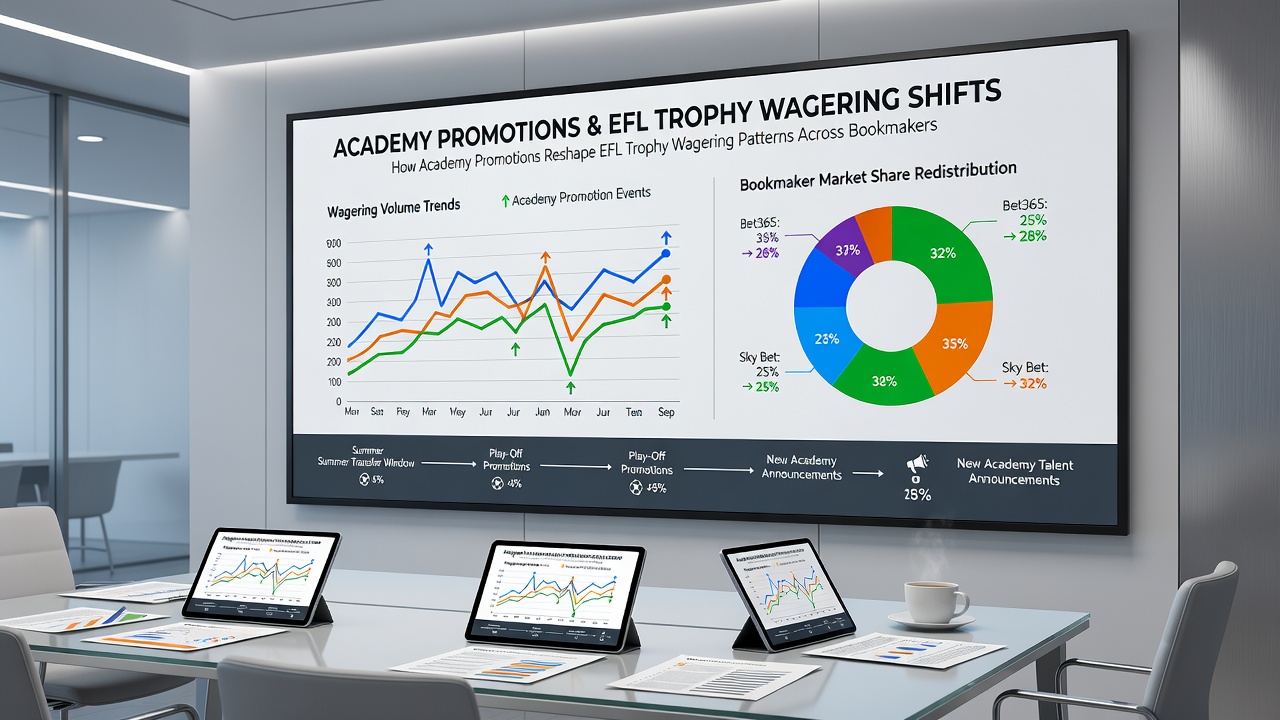
Accumulators that include promoted academy sides show distinct staking patterns, with bettors favoring combinations that pair youth-integrated teams against sides resting senior players. Exchange liquidity on these multiples increases noticeably in the 24 hours before kickoff, suggesting sharper money enters once lineups are confirmed rather than on preview odds alone.
Longer-Term Effects on Wagering Volumes
Over multiple seasons, sustained academy pathways correlate with steadier betting interest in the EFL Trophy rather than spikes around senior cup runs. Clubs that promote and retain graduates maintain more consistent squad availability, reducing the frequency of sharp line moves caused by late injuries. This stability allows bookmakers to tighten margins incrementally without losing market share, as evidenced by volume reports shared at industry conferences.
October 2026 fixtures demonstrated that sides fielding three or more academy graduates drew higher percentages of stakes on Asian handicap lines compared with previous campaigns, while moneyline bets declined proportionally. Such redistribution reflects bettors adapting to the tactical profiles of younger lineups, which often produce more open games but fewer set-piece heavy outcomes.
Conclusion
Academy promotions continue to influence EFL Trophy wagering by altering both the timing and distribution of bets across bookmakers, with observable effects on odds compression, market depth, and live betting activity. These patterns emerge consistently when operators update lines using squad data rather than historical averages alone, and they persist through the group stages into knockout rounds. Tracking these shifts provides a factual window into how youth development pathways intersect with betting market mechanics across the English football pyramid.