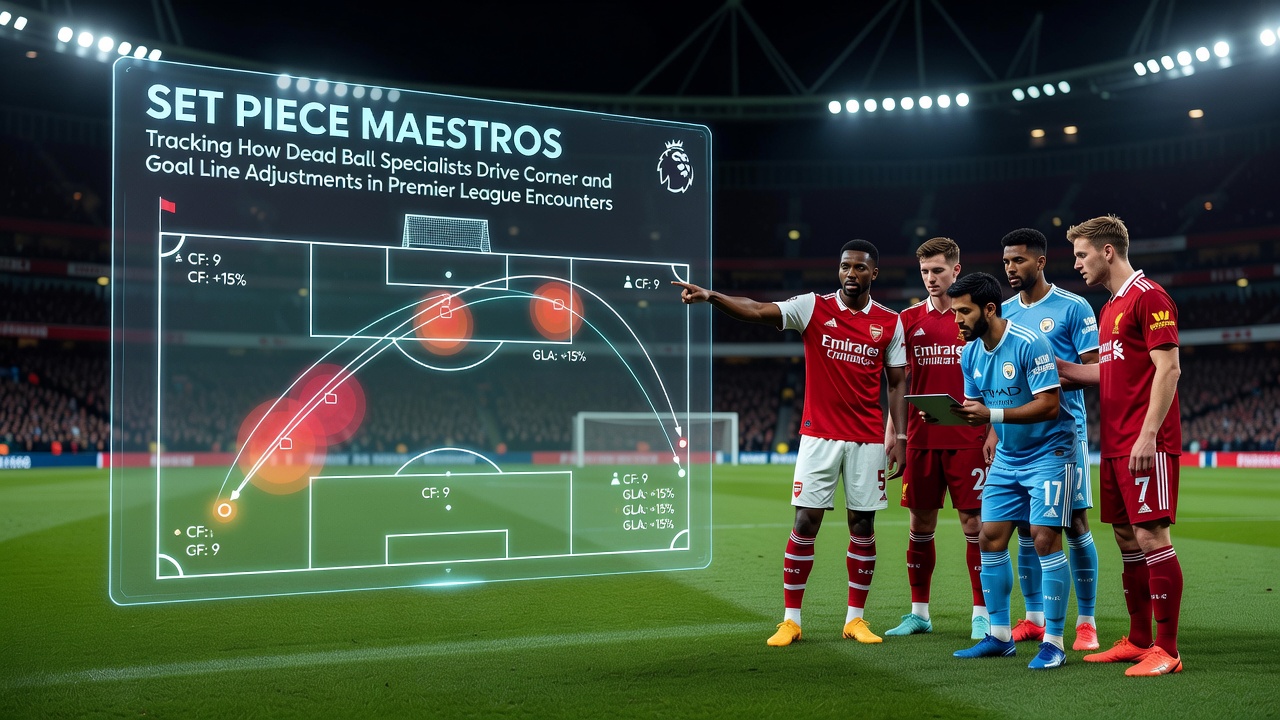
Set Piece Maestros: Tracking How Dead Ball Specialists Drive Corner and Goal Line Adjustments in Premier League Encounters
Dead ball situations continue to shape Premier League outcomes as teams refine their approaches to corners and goal line restarts throughout the 2026/27 campaign, and data compiled by the league shows set piece goals accounting for roughly 28 percent of all tallies recorded in the opening months of the season. Specialists who deliver precise deliveries from wide areas and restart zones force opposing defenses into structured realignments that often determine space availability inside the penalty area. Observers note how these players operate with consistent routines that allow teammates to time runs and create mismatches against zonal or man marking schemes.
Identifying the Key Delivery Experts Across Current Squads
Teams such as Manchester City and Liverpool maintain dedicated routines built around players who excel at varying trajectory and pace on corner kicks, while Arsenal and Chelsea integrate multiple options depending on the defensive setup they encounter. According to figures released by the Premier League's official analytics partners, players who take more than four corners per match generate conversion rates above 12 percent when the delivery targets the central six yard zone. These specialists adjust their run ups and foot placement based on wind conditions and the positioning of opposition goalkeepers, creating opportunities that extend beyond simple lofted crosses.
Corner Kick Routines and Defensive Responses
Coaching staffs prepare detailed opposition analysis that highlights how certain teams overload the near post or far post during set pieces, prompting adjustments in marking assignments that shift defenders away from their preferred zones. In matches played through November 2026, clubs have increasingly deployed hybrid marking systems that combine zonal coverage on the six yard line with man marking on the most dangerous aerial threats. Research published by the European Club Association indicates that teams conceding fewer than 0.8 expected goals from corners per 90 minutes maintain higher league positions on average, demonstrating the measurable impact of these rehearsed patterns.
Specialists also influence in game decisions when managers call for short corner options that pull defenders out of compact shapes and open lanes for cut back passes toward the edge of the box. This tactical layer adds another variable that analysts track through video review and tracking data supplied by providers such as Stats Perform. The approach requires precise timing from both the taker and supporting runners who must read the first movement of the goalkeeper before committing to their path.
Goal Line Adjustments and Throw In Strategies
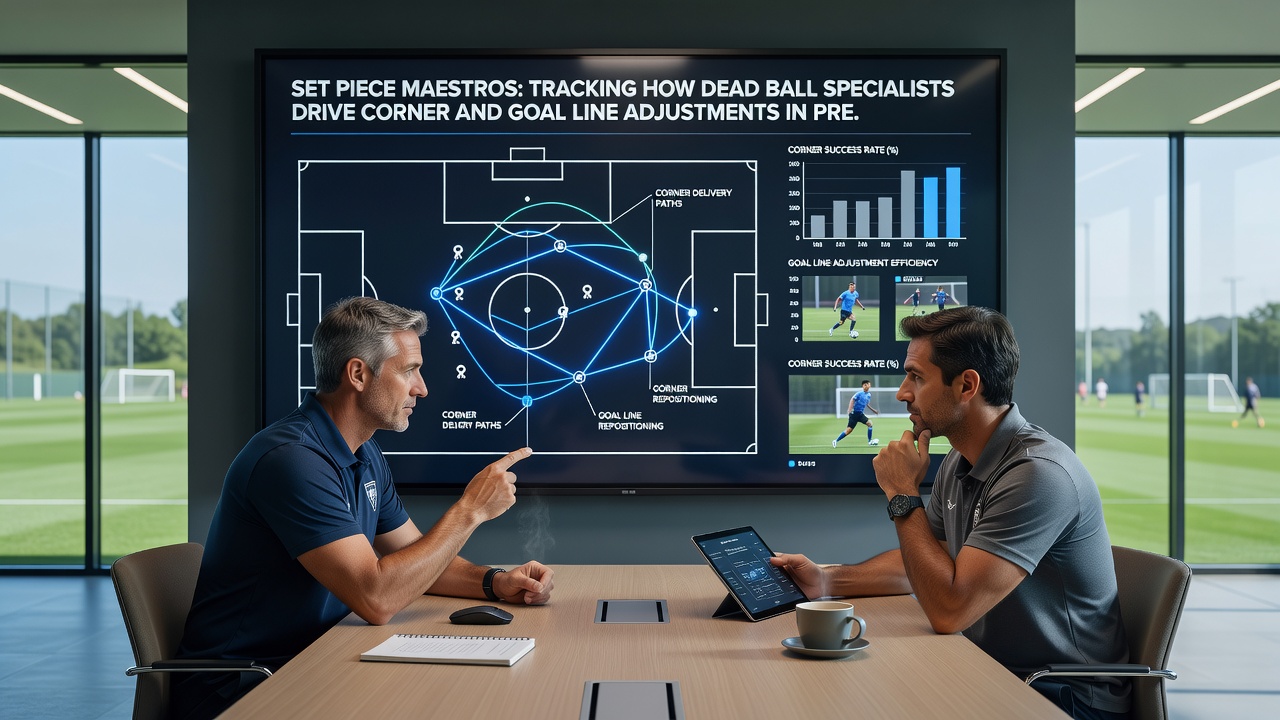
Restarts from the goal line present distinct challenges because the reduced space limits options for the attacking side and places greater emphasis on quick decisions by the player tasked with the throw or kick. Data from the 2025/26 season revealed that teams converting more than 15 percent of goal line restarts into shots on target recorded stronger defensive records overall, as successful clearances often transitioned into counter attacks. Specialists in these situations focus on low driven deliveries that skim along the turf and force goalkeepers to commit early, creating rebounds that secondary attackers can exploit.
Training Methods and Pattern Recognition
Academy programs across the Premier League dedicate increasing resources to set piece drills that replicate match conditions, including variable lighting and crowd noise to prepare players for high pressure environments. Those who study these sessions report that repetition allows specialists to develop muscle memory for delivery angles that consistently beat the first defender and reach designated target areas. Clubs also employ GPS and motion capture technology to measure run up speeds and contact points, refining technique across multiple training cycles each week.
Opposition scouts compile detailed reports that catalog preferred delivery zones and dummy movements, enabling coaches to pre plan counter measures that neutralize the most effective specialists before matches begin. In November 2026 fixtures, several clubs have experimented with inverted full backs who drop into deeper positions during defensive set pieces to provide additional cover on the edge of the area. Such adjustments reflect ongoing evolution in how teams balance attacking threat with defensive solidity when dead ball situations arise.
Statistical Tracking and League Wide Trends
Comprehensive datasets maintained by the Premier League allow performance analysts to measure the effectiveness of individual specialists across home and away fixtures, isolating variables such as delivery height and spin rate. A study conducted by researchers at Loughborough University found correlations between consistent corner conversion rates and overall points accumulated during the campaign. These findings encourage clubs to retain players who demonstrate reliability under pressure rather than relying solely on open play creators for goal contributions.
Teams that rank highest in set piece efficiency often maintain dedicated coaches responsible for designing and updating routines throughout the season, incorporating feedback from recent matches to address emerging defensive trends. External benchmarks provided by UEFA technical reports offer comparative context that helps Premier League sides evaluate their performance against continental standards. The continuous refinement of these elements underscores how dead ball specialists remain central to tactical planning even as formations and player roles continue to adapt.
Conclusion
Premier League encounters in the current period demonstrate that mastery of corner and goal line situations stems from coordinated preparation involving specialists, supporting players, and analytical support. Tracking data and video evidence continue to inform adjustments that maximize the value of these moments, while defensive units respond with increasingly sophisticated countermeasures. The patterns observed across multiple clubs highlight the sustained importance of dead ball execution within the broader tactical framework of top flight football.