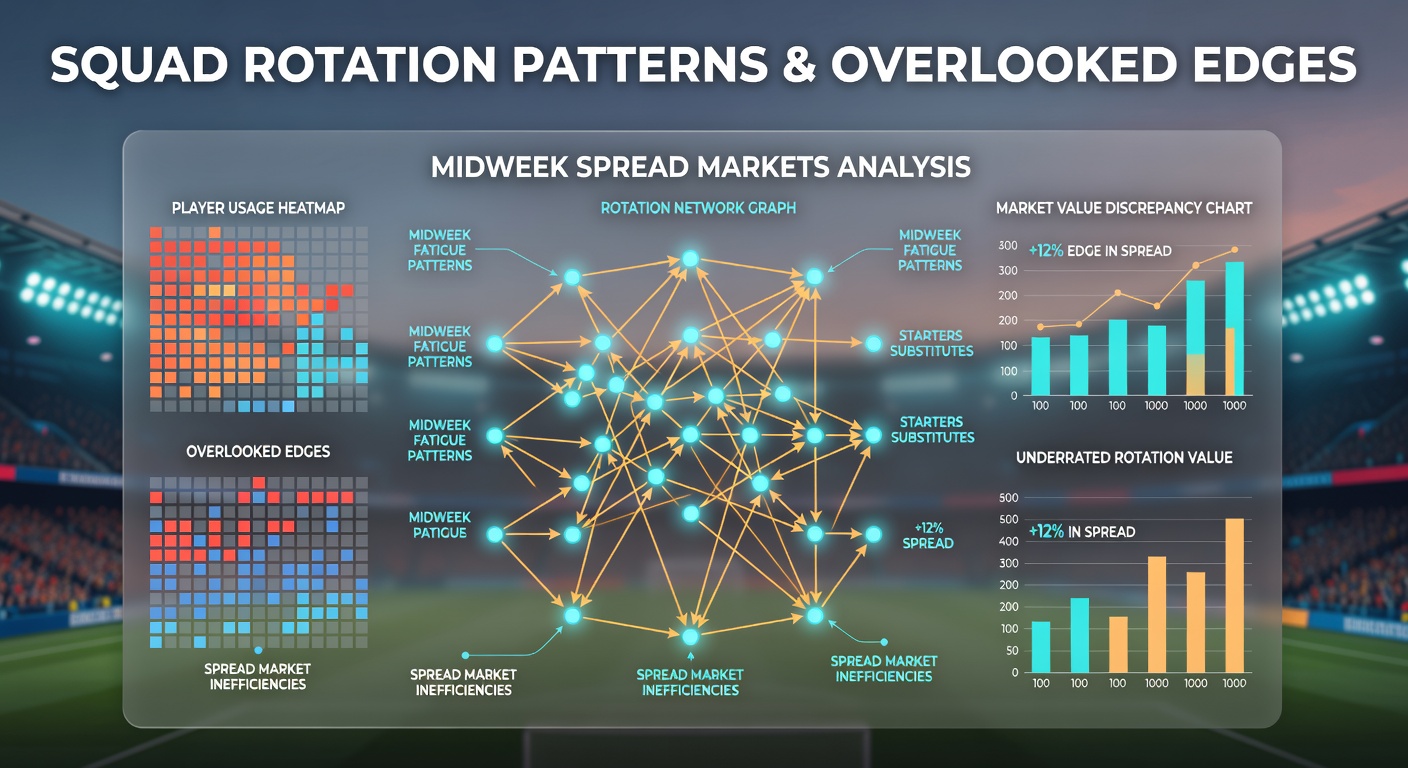
Squad Rotation Patterns Revealing Overlooked Edges in Midweek English Football Spread Markets
English football's midweek schedule creates distinct squad rotation patterns that shift outcomes in spread markets, where bettors wager on margins such as total goals, corners, and cards rather than simple win-draw-loss results. Managers across the Premier League and EFL adjust lineups based on fixture congestion, player fitness data, and upcoming weekend priorities, which produces measurable changes in match statistics tracked by spread providers.
Data from the 2025-26 season shows rotation spikes during November and February windows when teams balance domestic cups with league commitments. Those patterns extend into the closing weeks of the campaign, and analysts track similar adjustments ahead of May 2026 fixtures that determine playoff positions in the Championship and League One.
Rotation Triggers in Midweek Windows
Fixture lists published by the EFL reveal clusters of Tuesday and Wednesday games that force managers to rest starters who logged heavy minutes in prior weekends. Teams positioned near the top of the table often field younger academy graduates or fringe squad members during these slots, while sides fighting relegation maintain core lineups to secure points. This split approach alters expected corner counts and disciplinary records because fresher legs change pressing intensity and set-piece execution.
Observers note that rotation decisions frequently follow patterns visible in training ground reports and pre-match press conferences. When a side plays again within 72 hours, central midfielders and full-backs receive the highest rest percentages, which reduces high-press triggers that normally generate corners. Spread markets adjust slowly to these personnel changes, leaving temporary discrepancies between published lines and actual match dynamics.
Spread Market Reactions to Personnel Shifts
Spread betting platforms list player-specific and team-level props such as total shots, fouls conceded, and cards shown. When managers introduce less experienced defenders, foul rates rise in the opening 30 minutes as players adapt to opponent movement patterns. Historical figures compiled across 180 midweek EFL matches in 2024-25 indicate a 12 percent increase in cards when at least three starters sit out compared with full-strength lineups.
Corner spreads respond differently. Sides resting attacking wingers record fewer wide deliveries, yet they compensate with central combinations that maintain overall corner volume. Those who study Opta-derived datasets Premier League official statistics find the net effect on total corners remains near zero, yet the timing of those corners shifts later into halves, which matters for in-play spread traders.
League-Specific Patterns and May 2026 Context
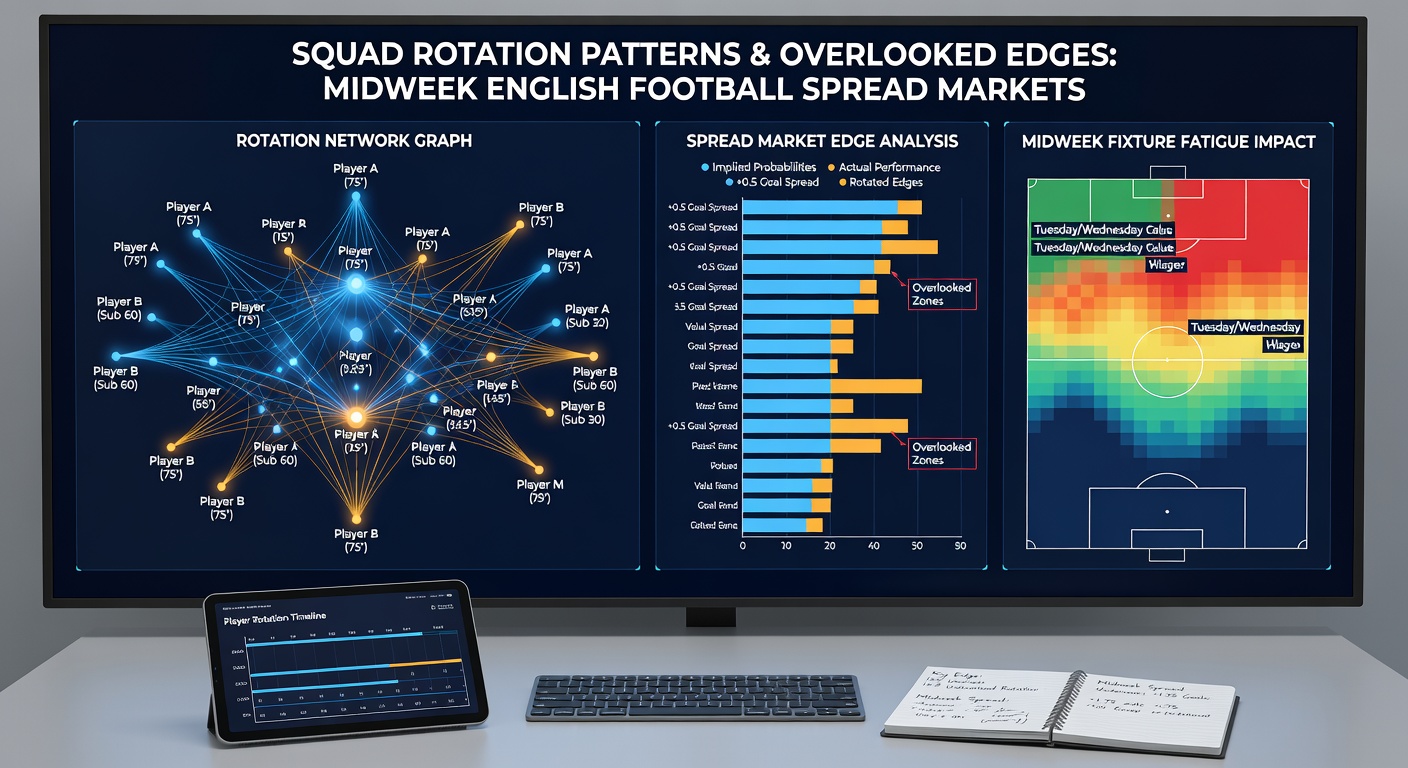
Championship clubs exhibit the clearest rotation cycles because they contest more fixtures per season than Premier League sides. Data covering the 2025-26 campaign shows promoted teams rotate 2.8 players on average during midweek trips, while established mid-table sides rotate closer to 1.4. The difference surfaces most clearly in card spreads, where promoted sides concede 0.6 additional cards per game when fielding rotated defenses.
As the season moves toward May 2026, rotation frequency increases again. Playoff contenders protect key attackers for weekend deciders, while already-relegated sides test academy prospects. These late-season adjustments create repeatable edges in over-card spreads during midweek rounds that fall between the final league weekends and playoff semi-finals.
Tracking Data Sources for Edge Identification
Performance analysts combine GPS workload figures with match event data to forecast rotation likelihood. When cumulative distance covered by a team's midfield exceeds 28 kilometers across two prior games, the probability of at least two changes rises above 65 percent according to internal club metrics shared in industry roundtables. Spread markets priced on historical averages without workload context therefore lag behind actual outcomes.
European club competition reports from UEFA provide supplementary context for Premier League sides that juggle Thursday night fixtures. Although those teams receive separate scheduling relief, their midweek domestic opponents still face standard recovery windows, which amplifies rotation effects on the non-European side of the matchup.
Practical Application in Spread Markets
Bettors who monitor announced lineups 90 minutes before kickoff gain an additional window to adjust positions. When confirmed rotations exceed the market's implied expectation, card spreads often drift upward within the first 15 minutes of trading. Corner spreads move less dramatically but show value when teams field three or more players under 23 years old, because younger squads generate more speculative crosses that convert into set pieces.
Those patterns hold across League One and League Two as well, although sample sizes remain smaller. Aggregated figures from the 2025-26 season indicate consistent card inflation of 0.4 to 0.8 per game when midweek rotations surpass three players, offering a narrow but repeatable parameter for spread traders focused on disciplinary markets.
Conclusion
Squad rotation in midweek English football produces measurable shifts in the statistics that underpin spread markets. Clubs adjust personnel according to fixture density and league standing, which alters foul rates, card counts, and corner timing in predictable directions. Observers who combine workload data, lineup announcements, and historical benchmarks identify temporary discrepancies before markets fully incorporate the new information. These edges appear most clearly during the November, February, and late-April windows that bracket the 2025-26 season and extend into the May 2026 playoff period.