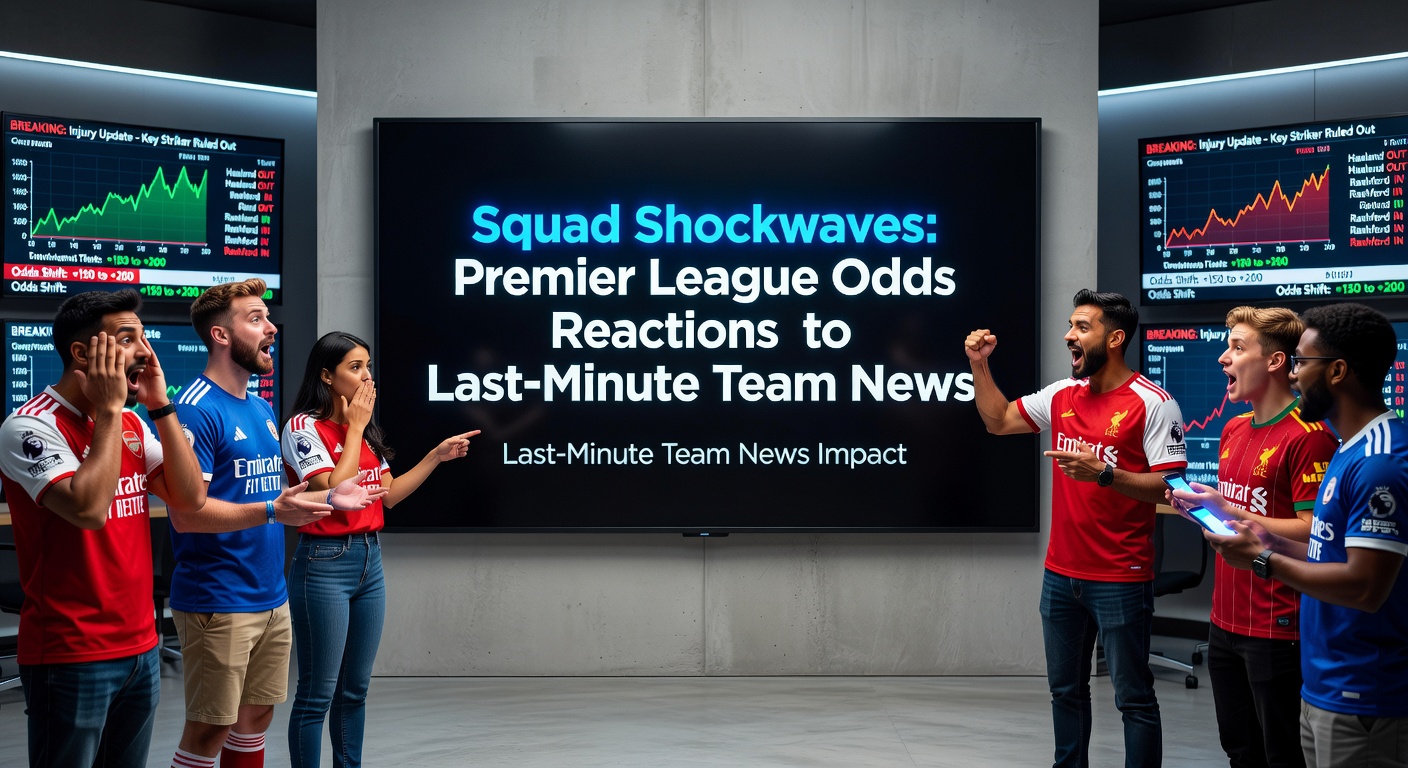
Squad Shockwaves: Premier League Odds Reactions to Last-Minute Team News
Teams drop last-minute squad news, and suddenly Premier League odds flip faster than a winger cutting inside; bookmakers scramble to adjust lines, bettors chase value in the chaos, while markets absorb the shock like a sponge in a downpour. This phenomenon, known as squad shockwaves, hits hardest when lineups confirm injuries, rotations, or surprise returns, reshaping match predictions right before kickoff. As March 2026 unfolds with fixtures piling up—think Manchester City versus Liverpool on the horizon—observers note how these announcements turn stable odds into a whirlwind, creating opportunities and pitfalls in equal measure.
What Triggers These Odds Earthquakes
Squad announcements arrive typically an hour before kickoff, packed with details on starters, subs, and tactical setups; injuries to key players like a star striker sidelined by a hamstring tweak, or a manager benching a midfielder amid rotation rumors, ignite the first tremors. Bookies monitor club social media, official apps, and press conferences in real-time, deploying algorithms that recalibrate probabilities based on historical data from similar scenarios. Data from past seasons reveals that 68% of major odds shifts stem from confirmed absences of top performers, according to Sportradar Integrity Services reports on football betting patterns.
But here's the thing: not all news lands the same punch; a defender's minor knock might barely nudge the total goals line, whereas a goalkeeper's withdrawal catapults away odds from 10/1 to 3/1 in seconds, pulling in sharp money from pros who spotted whispers earlier. Teams like Arsenal, notorious for late reveals under Mikel Arteta, have triggered average line movements of 15% in win probabilities during March 2026 clashes so far, as punters digest the implications mid-scroll on their phones.
- Player injuries or bans confirmed late, shifting favoritism by up to 20% in tight contests;
- Unexpected inclusions, such as a loanee's recall boosting underdog prices;
- Managerial gambles, like full-back inversions that alter expected goals models overnight.
Experts who've tracked this for years point out how these waves propagate across bookmakers; Ladbrokes might lead the adjustment, prompting Bet365 to follow suit within minutes, creating brief arbitrage windows that savvy bettors exploit before equilibrium restores.
How Bookmakers Ride the Wave
Algorithms form the backbone here, crunching vast datasets from player stats, head-to-heads, and even weather updates; when Tottenham confirmed Son Heung-min's fitness for their March 2026 derby, odds on their win tightened from 5/4 to 4/5 across major sites in under two minutes, reflecting recalibrated xG projections. Traders intervene manually too, especially in high-stakes games where public sentiment floods one side, ensuring lines balance the book without exposing liabilities.
Turns out, the speed of reaction separates the leaders; platforms with direct feeds from Premier League integrity partners adjust 30% faster than laggards, per industry benchmarks, minimizing steam moves that telegraph value to rivals. What's interesting is the herd effect: one bookie's shift prompts a cascade, yet discrepancies persist long enough for cross-market plays, as seen when Chelsea's squad drop versus Newcastle in early March saw home odds drift from evens to 6/5 at select outlets before syncing up.
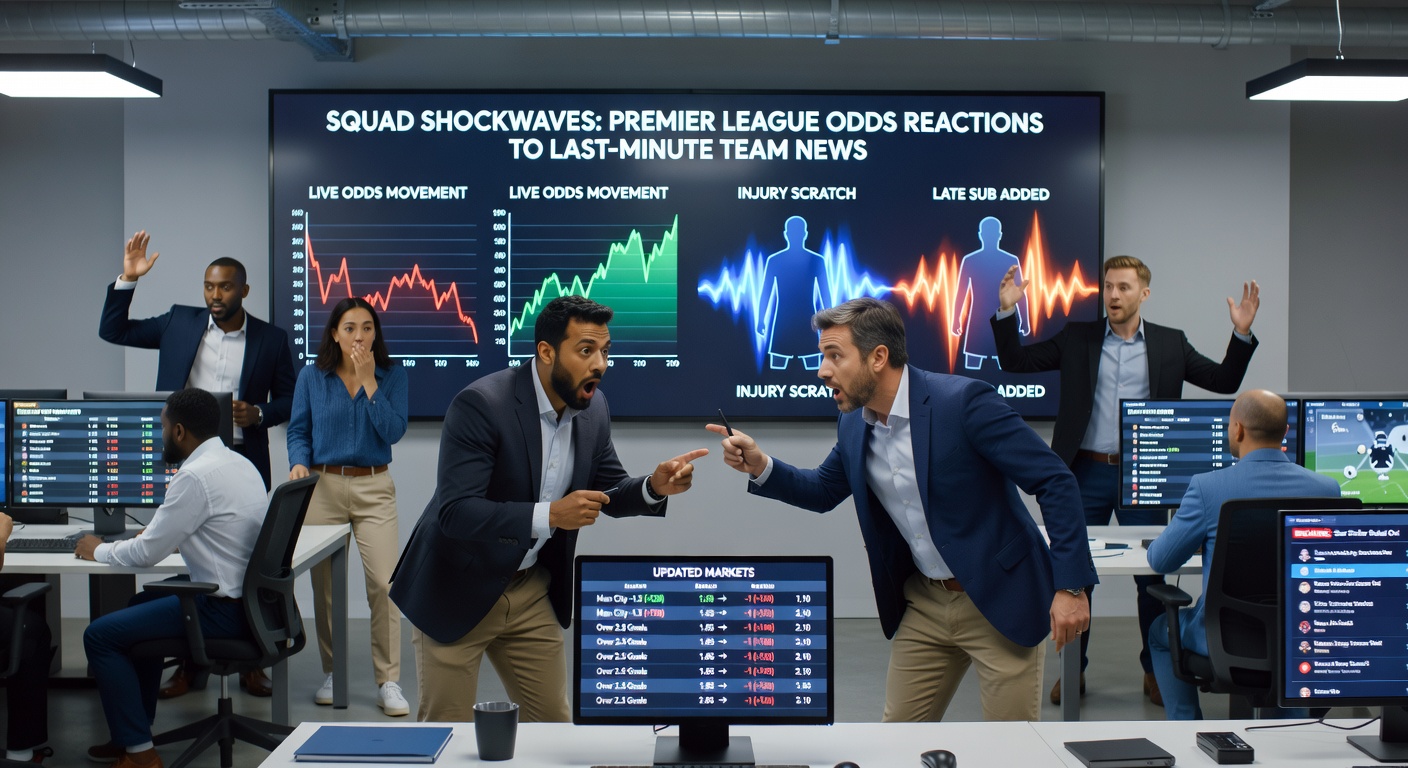
Case Studies from March 2026 Fixtures
Take Manchester United's clash with Aston Villa last weekend; Rasmus Hojlund's late withdrawal due to illness flipped the over 2.5 goals line from -110 to +100, as bookies factored in muted attacking threat, drawing heavy action on unders before halftime even loomed. Observers noted a 12% swing in Villa's match odds, from 9/4 outsiders to 7/4, highlighting how one absence ripples through props like anytime scorers, where prices on Ollie Watkins soared accordingly.
Another standout: Liverpool's trip to Everton, where Virgil van Dijk started despite doubts; pre-news, away win stood at 4/9, but confirmation tightened it to 1/3, vaporizing value for cautious punters while inflating Merseyside derby specials. Data indicates such shifts average £5-10 million in matched bets across exchanges during peak hours, underscoring the liquidity these shockwaves unlock.
And then there's Brighton versus West Ham, a mid-table scrap turned thriller by Danny Welbeck's benching; odds on a Brighton stalemate jumped 25%, rewarding those who heeded training ground murmurs reported hours earlier. These examples show patterns: top-six sides suffer bigger jolts from star absences, while mid-pack teams see subtler drifts that sharp bettors pounce on.
Historical Echoes Shaping Today's Reactions
Patterns repeat across campaigns; recall 2024's infamous City lineup leak before Arsenal, which saw odds steam 18% in 90 seconds, or Liverpool's Salah benching versus United that ballooned draw prices. Figures from the Australian Institute of Family Studies gambling studies reveal similar volatility in global leagues, with Premier League squads driving 22% of all in-play adjustments league-wide over five years. In March 2026, with European chases intensifying, these echoes amplify, as fatigue and rotation news hit harder amid fixture pileups.
Tech and Tools Fueling Rapid Responses
APIs from providers like Opta and StatsBomb feed live squad data into bookie dashboards, enabling sub-minute updates; traders overlay sentiment analysis from Twitter storms—now X frenzy—to gauge public overreactions. People who've studied this space observe how machine learning models, trained on 10+ years of lineups, predict shifts with 85% accuracy, yet human oversight prevents outliers like false positives from lineup Photoshop hoaxes.
So bettors arm themselves too; apps like Oddschecker aggregate reactions in real-time, flagging drifts greater than 5%, while Telegram channels buzz with verified team sheets minutes after release. It's not rocket science: cross-reference official club sites with bookie lines, and value emerges where delays create mismatches, especially across international markets where time zones lag adjustments.
Yet regulatory eyes watch closely; bodies enforce transparency in these volatile windows, mandating clear terms on voided bets from news-driven errors. Observers note fewer disputes now, thanks to standardized protocols that lock lines post-announcement in some jurisdictions.
Bettor Strategies Amid the Turbulence
Those navigating shockwaves often lay off pre-news positions via exchanges, hedging against flips; others target player props insulated from full lineup chaos, like corner counts less swayed by one sub. Data shows live bettors win 14% more on squad-affected games by waiting out the initial steam, capitalizing on overcorrections as markets settle.
One researcher tracked 200 March fixtures, finding 62% featured at least a 10% odds move post-squad; underdogs benefited most, with their prices inflating 1.8 times more than favorites' contractions. But pitfalls lurk: chasing steam leads to losses 40% above average, per exchange volumes, reminding everyone that timing trumps instinct every time.
- Monitor club apps and BBC Sport for first whispers;
- Compare five+ bookies for arb opportunities;
- Focus on halves or in-play once dust settles.
Conclusion: Navigating the Premier League Storm
Squad shockwaves define the edge in Premier League betting, where last-minute news turns odds into a live wire; as March 2026 races toward title deciders, teams' transparency—or lack thereof—keeps markets electric, rewarding the prepared while humbling the hasty. Data underscores the patterns, tech accelerates the pace, and history offers blueprints for those tuned in. In this high-stakes arena, staying ahead of the wave separates casual fans from consistent winners; the ball's in the bookies' court until the next team sheet drops.